
Fresh Subaddresses and Churn — When They Actually Help
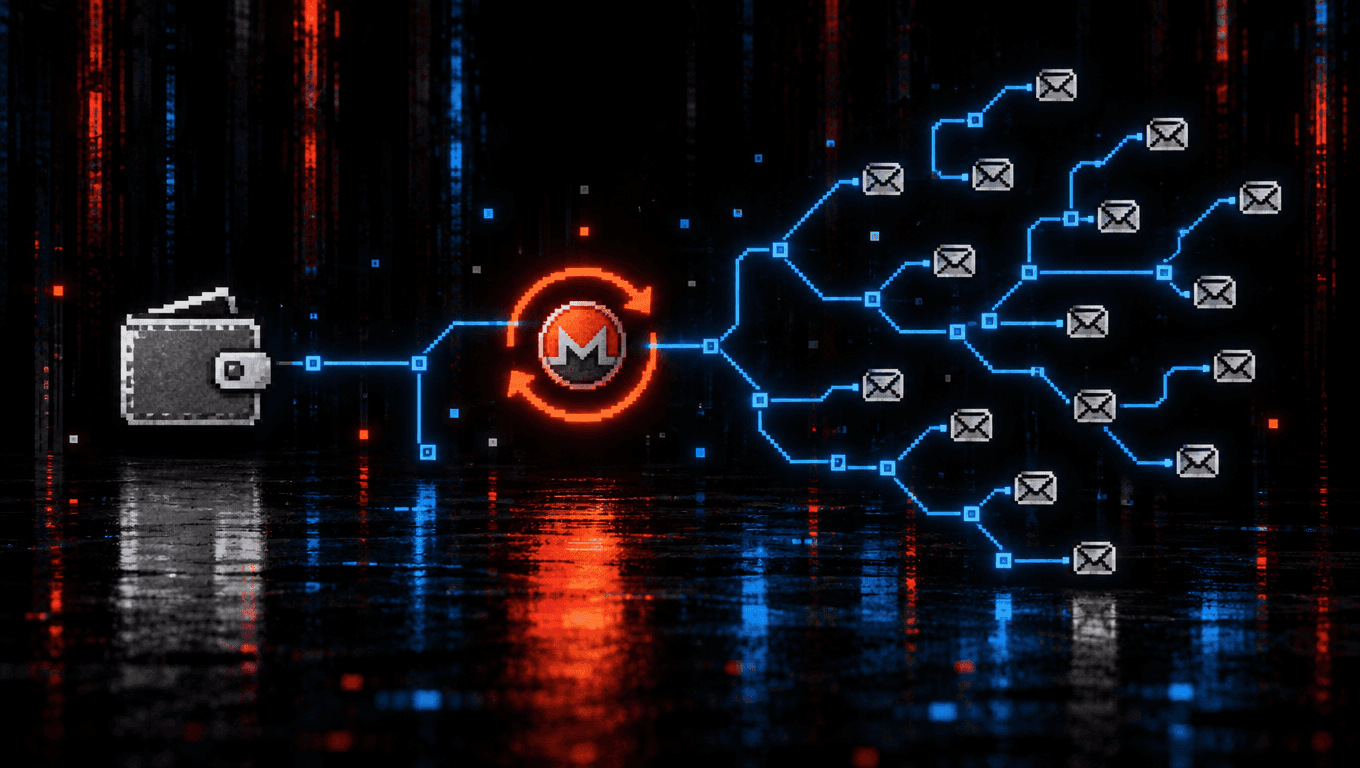
Two habits get repeated in every Monero privacy thread: use fresh subaddresses, and churn your funds. Both are real techniques, but they solve different problems, and churn in particular is often oversold. Here is what each actually does, so you can spend effort where it counts.
Subaddresses: cheap, always worth it
A subaddress is a unique receiving address derived from your one wallet. You can generate as many as you like, all funneling into the same balance you control.
What they buy you: receipt unlinkability. If you hand out one static address for everything, anyone who knows that address can see every payment that ever arrived at it clustered together. Give each sender — or each swap, each invoice — its own fresh subaddress, and there is no shared public handle tying those receipts to one another.
This is low-effort and high-value. There is essentially no reason not to use a fresh subaddress per incoming payment. It costs nothing, needs no extra transaction, and closes an easy clustering angle. This one is simple: always do it.
Churn: narrower benefit, real costs
Churning means sending your Monero to yourself — moving funds from your wallet back to your own wallet — to create additional transaction "depth." The idea is that each extra hop mixes your output into more ring signatures and pushes it further from the transaction that funded it.
Where it can help: if you received a specific output and worry about statistical guesses linking your spend back to that exact input, an intermediate self-spend adds distance and additional ambiguity. In narrow, targeted scenarios that matters.
But be realistic about the limits:
Where to actually spend effort
If you rank privacy actions by benefit per unit of effort, the order for most people is roughly:
The honest summary
Subaddresses are free and universally worth it. Churn is a real but narrow tool that sits on top of Monero's already-strong default privacy — useful in specific cases, oversold as a general ritual, and never a replacement for the basics of network and endpoint hygiene. Do the cheap, high-impact things first; reach for churn only when your threat model specifically calls for it.




